Microsoft OneDrive: Features, Benefits and That Work for You
Your staff accountant is working from a hotel in Denver. Your client just emailed asking for last quarter’s trial balance. Your desktop is back at the office. If your firm’s files still live only on local drives, that’s the moment you feel the gap.
Microsoft OneDrive closes that gap. It’s not a novelty—it’s the file-access backbone that Microsoft 365 already includes, and for CPA firms it handles document storage, sharing, and backup in ways that actually fit how accounting work gets done.
Here’s what OneDrive does, what it costs, how to set it up, and where it fits (and doesn’t fit) for a tax or accounting practice.
What OneDrive Actually Does
OneDrive is Microsoft’s cloud storage service. Users can back up, access, edit, share, and sync files from any device and collaborate in real time on Microsoft 365 documents. That covers Word, Excel, and the rest of the Office suite—which most firms already live in.
The practical effect: a file saved on a laptop in Chicago appears instantly on a desktop in Phoenix, or in a browser anywhere with internet access. No emailing yourself attachments. No versioning confusion.
Microsoft 365 subscribers get 1 TB of cloud storage per user. For a five-person firm generating PDFs, Excel workpapers, and scanned client docs all year, 1 TB is genuinely sufficient.
Six Features Worth Knowing for a CPA Firm
1. Files On-Demand OneDrive Files On-Demand lets you view, search, and interact with files in File Explorer without downloading everything to the device. A laptop with a 256 GB SSD can browse a 1 TB library without filling up local storage. For a firm where every client has a folder hierarchy, this matters.
2. Known Folder Move Known Folder Move automatically synchronizes commonly used folders—Desktop, Documents, Pictures—to OneDrive on both Windows and Mac. Staff don’t have to remember to save to the right place. It just syncs. This is the single configuration step that eliminates most “I can’t find the file” calls.
3. Files Restore (30-Day Recovery) OneDrive Files Restore lets users roll back files to any point over the past 30 days. If someone overwrites a workpaper or a ransomware event corrupts a folder, you’re not starting from a backup tape—you’re clicking a date. OneDrive also includes ransomware detection with file recovery built in.
4. Personal Vault Personal Vault adds an identity-verified layer of protection inside OneDrive. For sensitive client documents—engagement letters, tax returns, signed authorization forms—this is a reasonable first defense. It requires a second authentication step to open, which slows down casual browsing of protected files.
5. Large File Upload (Up to 100 GB) OneDrive for work and school lets users upload files up to 100 GB. QuickBooks company files, large PDF compilations, and scanned document sets that choke email attachments can go straight to OneDrive.
6. Deleted File Retention For work or school accounts, deleted files are purged after 93 days unless configured otherwise. That 93-day window has saved more than a few accidental deletions at firms that didn’t have a formal retention policy.
OneDrive Pricing: Free vs. Paid
The free tier gives 5 GB—enough for personal use, not a firm. The meaningful tiers:
- Microsoft 365 Business Basic and above: 1 TB of OneDrive storage per user, included in the subscription price
- Standalone OneDrive Plan 1: 1 TB per user for smaller teams needing storage without the full Office suite
- OneDrive Plan 2: Unlimited storage for enterprise plans—relevant for firms archiving multi-year client data at scale
If your firm already pays for Microsoft 365, you likely have 1 TB of OneDrive per user sitting unused. Check your admin center before buying additional storage.
How to Get Started in Five Steps
- Sign in at the Microsoft OneDrive login page using your Microsoft 365 work credentials. Microsoft
- Install the OneDrive sync client on each machine (included with Windows 10/11; downloadable for Mac).
- Enable Known Folder Move in the sync client settings—this is under Settings → Backup → Manage Backup. Do this for every user.
- Set up Personal Vault for any staff who store sensitive client documents locally.
- Test Files Restore by reviewing the version history on an active workpaper before you need it in an emergency.
The entire setup for a 10-person firm takes an afternoon. The ongoing maintenance is close to zero once sync is running.
What OneDrive Doesn’t Solve
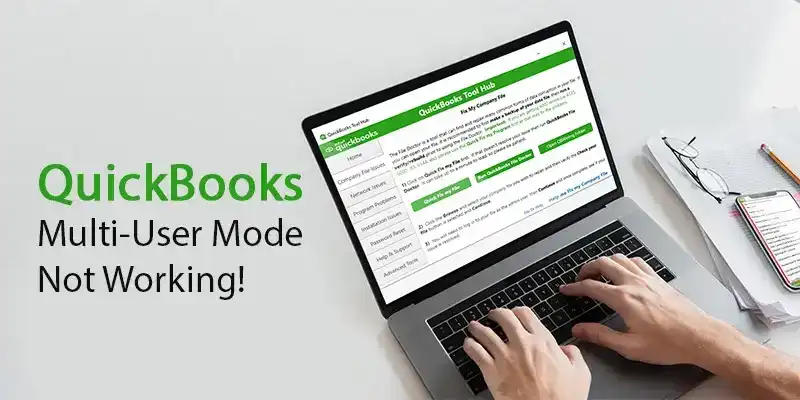
OneDrive stores and syncs files. It doesn’t host applications. QuickBooks Desktop, Lacerte, Drake, ProSeries, UltraTax, ATX—these aren’t web apps you open in a browser. They’re Windows applications that need to run on a machine with the correct environment, licenses, and multi-user configuration.
Firms that try to run QuickBooks Enterprise or a tax application directly off a OneDrive-synced folder usually hit file-locking errors, slow performance, or data corruption. OneDrive isn’t designed as a database host.
For the tax and accounting software itself, the right architecture is a hosted remote desktop environment—not local machines with synced folders. That’s a different problem from document storage.
How Sagenext Helps
If your firm runs QuickBooks Desktop, Sage 50, Sage 100, Drake, Lacerte, ProSeries, UltraTax, ATX, or similar tax or accounting software, document syncing through OneDrive only solves part of the access problem. The application still has to run somewhere reliable, with multi-user support and managed backups.
Sagenext provides fully managed cloud hosting for these applications—provisioning, security, software updates, and data backups are handled for you. Every authorized staff member connects via a remote desktop session from any device, anywhere.
Paired with OneDrive for document storage, this gives a firm genuine anywhere-access: tax software running on a managed hosted environment, supporting files accessible through OneDrive sync. No VPN dependency, no server room, no one stuck waiting for IT.
Sagenext offers a free trial with no credit card required—worth testing before your next busy season. SOX Compliance Cloud Hosting AI Reconciliation Audit Trails
Key Takeaways
- Microsoft 365 subscribers get 1 TB of OneDrive storage per user—check your admin center before paying for additional storage.
- Enable Known Folder Move immediately; it’s the single highest-leverage OneDrive setting for a small firm.
- Files Restore covers the past 30 days; deleted files in work accounts are retained for 93 days—understand both windows before your next client emergency.
- OneDrive for work supports files up to 100 GB, which handles most large accounting files that can’t travel by email.
- OneDrive syncs documents well but is not a substitute for a properly hosted accounting application environment.
- For firms running desktop tax or accounting software, a managed hosting solution handles what OneDrive can’t.
Frequently Asked Questions
Can I use OneDrive to run QuickBooks Desktop for multiple users?
No. QuickBooks Desktop requires a proper multi-user environment with file-locking support. Running the company file from a OneDrive-synced folder typically causes file-lock errors and data corruption. Multi-user access to QuickBooks requires either a local server or a managed hosted environment configured for that purpose.
How does OneDrive protect sensitive client documents?
OneDrive uses end-to-end encryption and includes Personal Vault, which requires identity verification to access. It also includes ransomware detection with file recovery. For a CPA firm, Personal Vault is a practical place to store signed engagement letters, tax returns, and authorization forms that shouldn’t be casually accessible.
How much storage does a Microsoft 365 business subscription include?
Microsoft 365 subscribers get 1 TB of OneDrive cloud storage per user. For most accounting firms generating workpapers, PDFs, and client documents, 1 TB per user is more than sufficient for active files.
What happens to deleted files in OneDrive?
For work or school accounts, deleted files sit in the recycle bin and are permanently purged after 93 days unless configured otherwise. You also have Files Restore, which lets you roll back an entire OneDrive to any point in the past 30 days—useful for ransomware or bulk accidental deletions.
Is OneDrive enough for a fully remote accounting firm?
For document storage and Office file collaboration, yes. For running desktop accounting applications—QuickBooks, Lacerte, Drake, UltraTax—you need more than file sync. You need a hosted application environment where the software itself runs on a managed server your team accesses remotely.
 Popular Posts