 Windows Server · Sep 28th 2026 · 7 Min read
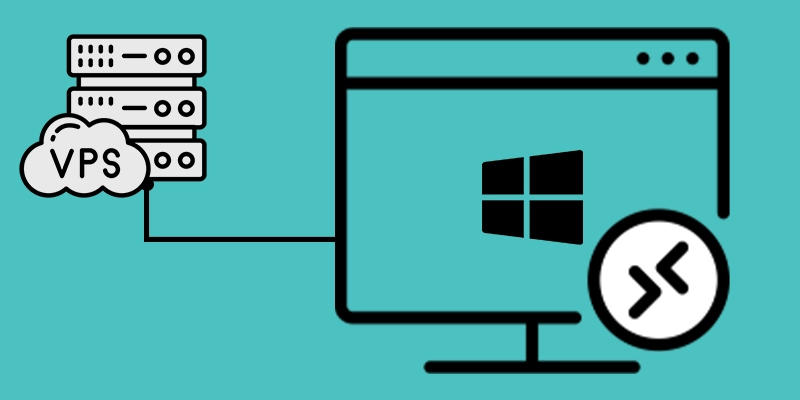
How to Access Windows VPS Via RDP (Remote Desktop Protocol)
Your hosting provider just sent the VPS credentials — IP address, username, password. The clock is ticking before a client meeting and you need QuickBooks or Drake running on that server right now. Here is exactly how to get in.
What You Need Before You Start
Have three things ready before you open anything:
- Public IP address of the VPS (from your welcome email or hosting portal)
- Username — almost always
Administratoron a fresh Windows VPS - Password — set during provisioning or provided by your host
Also confirm whether your host uses a non-standard RDP port. Most providers default to port 3389, but some assign a custom port. Hyonix, for example, assigns port 26688 to servers ordered or reinstalled after July 8, 2026. If your host specifies a custom port, you’ll enter the address as IP:port — for example, 198.51.100.10:26688 — rather than the bare IP. Check your welcome email before proceeding.
Plan for 5–15 minutes after provisioning before RDP access becomes available. If the connection is refused immediately after ordering, wait and try again.
Connecting From a Windows PC
The Remote Desktop Connection client is built into every current version of Windows. No download needed.
Step 1 — Open the client. Click the Windows search bar on the taskbar and type RDP or Remote Desktop Connection. Alternatively, press Win + R, type mstsc, and press Enter. Both routes open the same application.
Step 2 — Enter the server address. In the Computer field, type your VPS’s public IP address. If your host assigned a custom port, append it: 192.0.2.55:26688. Click Connect.
Step 3 — Enter your credentials. A login prompt appears. Enter:
- Username:
Administrator(or whatever your host specified) - Password: your provisioned server password
Click OK.
Step 4 — Accept the certificate warning. Windows will display a certificate or identity warning the first time you connect to a new server. Verify the IP matches your VPS, then click Yes to continue. You can check “Don’t ask me again for connections to this computer” to suppress this on future sessions from the same machine.
Step 5 — You’re in. The remote desktop loads. You now have full graphical control of the Windows VPS, exactly as if you were sitting in front of it.
Alternative Ways to Open Remote Desktop Connection on Windows
If the search bar approach doesn’t suit you:
- Start Menu → Windows Accessories → Remote Desktop Connection — works on Windows 10 and 11
- Run dialog (Win + R) → type
mstsc→ Enter - Command Prompt or PowerShell → run
mstsc /v:YOUR_IPto connect directly without clicking through the GUI
For firms managing multiple servers, the mstsc command-line approach is worth knowing. You can script connections or save .rdp files for each client environment.
Connecting From macOS, iOS, or Android
RDP is not Windows-only. Microsoft publishes free RDP clients for macOS, iOS, and Android — search “Microsoft Remote Desktop” in the App Store, Mac App Store, or Google Play. Microsoft
The workflow on macOS mirrors the steps above: add a new PC, enter the IP (with port if needed), save credentials, connect, and accept the certificate prompt. For a CPA who works across devices, this means the same hosted QuickBooks or tax application is reachable from a MacBook without any compatibility gymnastics.
A Note on Port Security
Leaving RDP open to the entire internet on port 3389 is a genuine risk. A practical minimum: restrict RDP access to your office’s known IP addresses at the firewall or security group level. If your Sagenext-hosted environment is managed for you, this is handled — but if you administer your own VPS, Contabo’s guidance is worth following: allow port 3389 only from your own IP, not from all sources.
How Sagenext Helps
For accounting firms hosting QuickBooks, Sage 50, Drake, Lacerte, ProSeries, or UltraTax on Sagenext infrastructure, the RDP connection is the front door to your entire practice. Every user at the firm — staff, partners, remote bookkeepers — connects through a remote desktop session to access the same application and data.
Sagenext manages the underlying server: provisioning, software updates, security configuration, and data backups are handled without you touching the OS. You skip the part where you have to harden a VPS yourself; the hosted environment is preconfigured for multi-user accounting workflows. There is a free trial available with no credit card required — useful for testing whether your existing QuickBooks setup migrates cleanly before committing. Free Tax Filing Small Business IRS Options
Key Takeaways
- Open Remote Desktop Connection by searching
RDPin the Windows taskbar or runningmstscfrom the Run dialog. - Enter the VPS public IP in the Computer field; if your provider uses a custom port, format it as
IP:port. - Default username is
Administrator; password comes from your host’s provisioning email. - Accept the certificate warning after verifying the IP address matches your server.
- Restrict RDP port access to your known IP addresses — do not leave it open to all sources.
- RDP clients exist for macOS, iOS, and Android, so hosted accounting software is reachable from any device.
Frequently Asked Questions
Why can’t I connect to my Windows VPS right after ordering it?
Provisioning takes time. A freshly ordered Windows VPS typically needs 5–15 minutes before it is fully booted and accepting RDP connections. If the connection is refused immediately, wait and retry. If it still fails after 20 minutes, confirm you have the correct IP address and that your host has completed setup on their end.
What do I do if I don’t know the RDP port my VPS uses?
Check your welcome or provisioning email first — most hosts specify it there. If not, try the default port 3389 by entering just the IP address. If that fails, log into your hosting control panel or contact support. Some providers use custom ports; entering IP:port in the Computer field handles non-standard configurations.
Is it safe to click “Yes” on the certificate warning?
Yes, provided you verify the IP address shown matches your VPS. The warning appears because the server’s certificate is self-signed or unrecognized by your local machine, not because the connection is malicious. After confirming the IP is correct, click Yes. On repeat connections from the same machine you can suppress future prompts by checking the “Don’t ask me again” box.
Can I use RDP from a Mac to access a hosted QuickBooks environment?
Yes. Download Microsoft Remote Desktop from the Mac App Store, add a new PC entry with your VPS IP and credentials, and connect. The experience is functionally identical to connecting from a Windows machine. This is how many CPA firms run QuickBooks Desktop on Mac hardware without any local Windows installation.
What username should I use for the RDP login?
On most Windows VPS setups, the initial username is Administrator. Your hosting provider may have configured a different username during provisioning — check your welcome email. Sagenext-managed environments provide login credentials at setup, so refer to that documentation rather than guessing.